 Ultimate guide
Why Custom Engraving Is Better Value: 2026 Guide
Table of Contents
- The Real Meaning Behind Custom Engraving
- Benefits of Personalized Gifts for Milestones
- Custom Engraving vs Mass Production: Value Comparison
- Best Materials for Custom Engraving
- Factors That Influence Engraving Costs and Value
- DIY vs Professional Engraving: The Value Trade-Off
- Maximizing Value: Corporate Gifting ROI and Long-Term Care
- Frequently Asked Questions
Last Updated: September 19, 2026
The Real Meaning Behind Custom Engraving
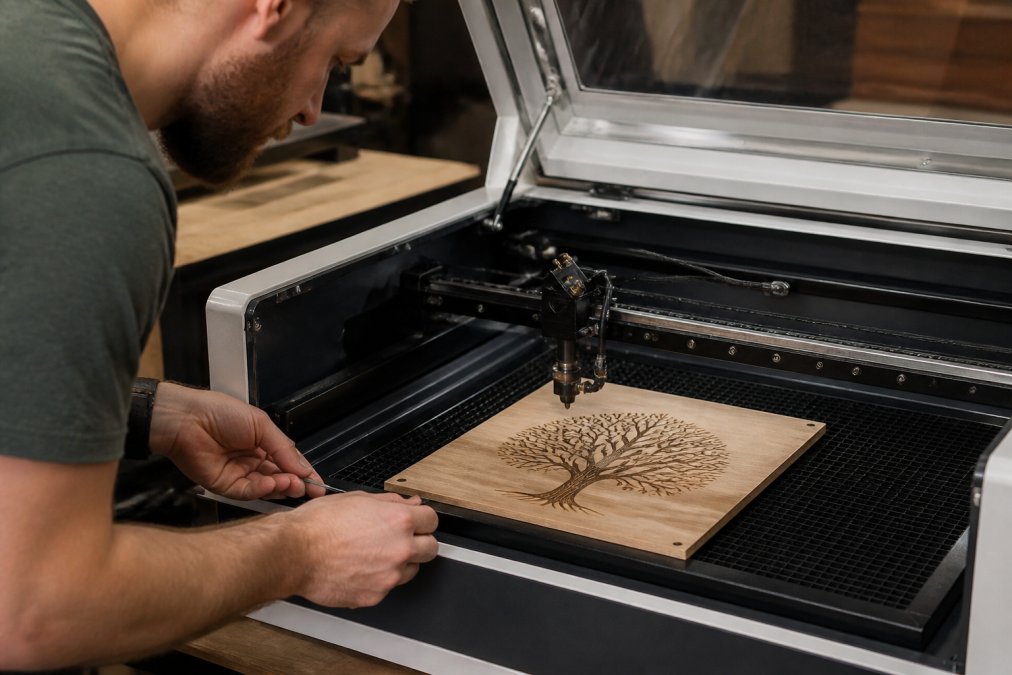
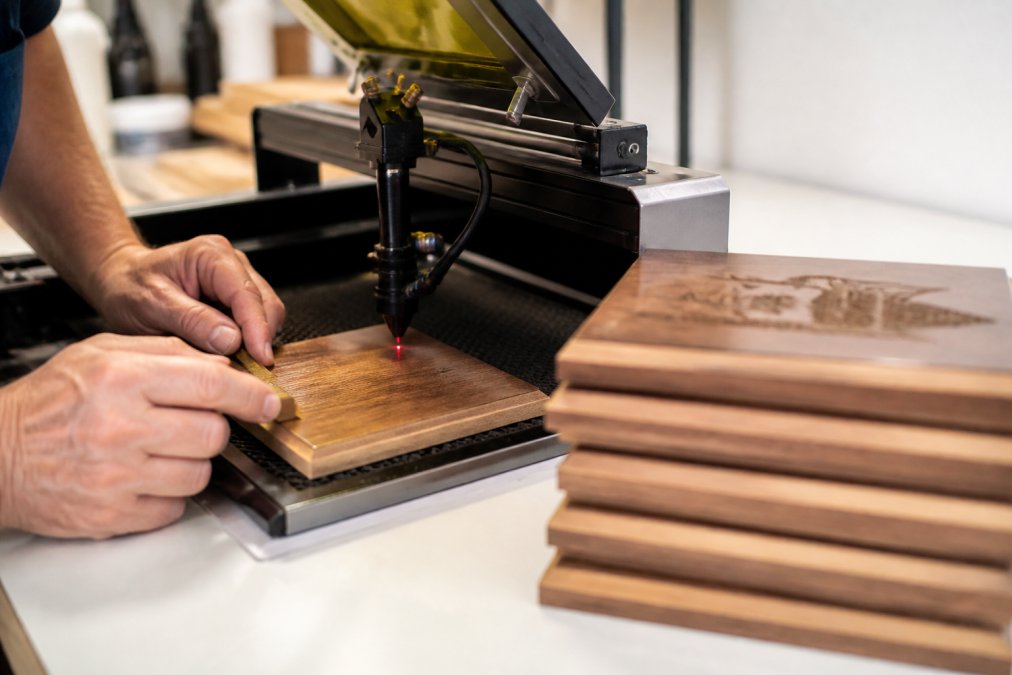
Custom engraving permanently cuts a design, name, or message into a physical object using hand tools or a laser, turning a standard item into a one-of-a-kind piece. It is not surface decoration, it becomes part of the object itself.
Benefits of Personalized Gifts for Milestones
Personalized gifts outperform generic ones at the moments that matter most: weddings, graduations, retirements, anniversaries, and employee milestones. A mass-produced gift says "I needed something." An engraved gift says "I thought about you."
Emotional Connection and Sentimental Value
Sentimental value is the worth a person assigns to an object because of the memories attached to it. An engraved wedding date, a child's handwriting, or a company's founding year turns an object into a marker of a specific moment, which is why engraved items rarely end up in donation piles. People keep them, display them, and pass them down.
Commemorative Recognition and Heirloom Quality
Commemorative pieces serve a different job than everyday gifts. A retirement plaque, a memorial award, or an anniversary clock exists to hold a moment in place, and heirloom quality means it survives decades of handling, moving, and display. That durability comes from material choice and engraving depth, both covered below.
Custom Engraving vs Mass Production: Value Comparison
The core difference is where the value sits. Mass production spreads value across volume: cheap per unit, identical for everyone. Custom engraving concentrates value in one object: higher per unit, unique to one person.
| Factor | Custom Engraving | Mass Production |
|---|---|---|
| Uniqueness | One-of-a-kind | Identical units |
| Emotional connection | High, personal | Low, generic |
| Durability of marking | Permanent, in the material | Printed or applied surface |
| Resale and collectibility | Strong for limited pieces | Weak, commodity pricing |
| Setup cost | Higher per unit | Low at volume |
| Best for | Milestones, recognition | Bulk giveaways |
Craftsmanship, Artisan Skill, and Manual Labor
Craftsmanship is the visible result of skilled hands making deliberate choices: font, spacing, engraving depth, and how the design sits on the material. Manual labor is why a hand-engraved piece costs more than a machine-stamped one, and why no two pieces look identical. Artisan work also carries risk machines do not, a slip of the tool cannot be undone, and that risk is priced in.
Precision, Material Integrity, and Surface Durability
Precision is where modern laser engraving earns its place: it reproduces fine typesetting and complex design more consistently than hand tools, and material integrity stays intact because the laser removes only a controlled layer. The result is surface durability, an engraved mark does not fade, chip, or wash off like applied finishes.
Best Materials for Custom Engraving
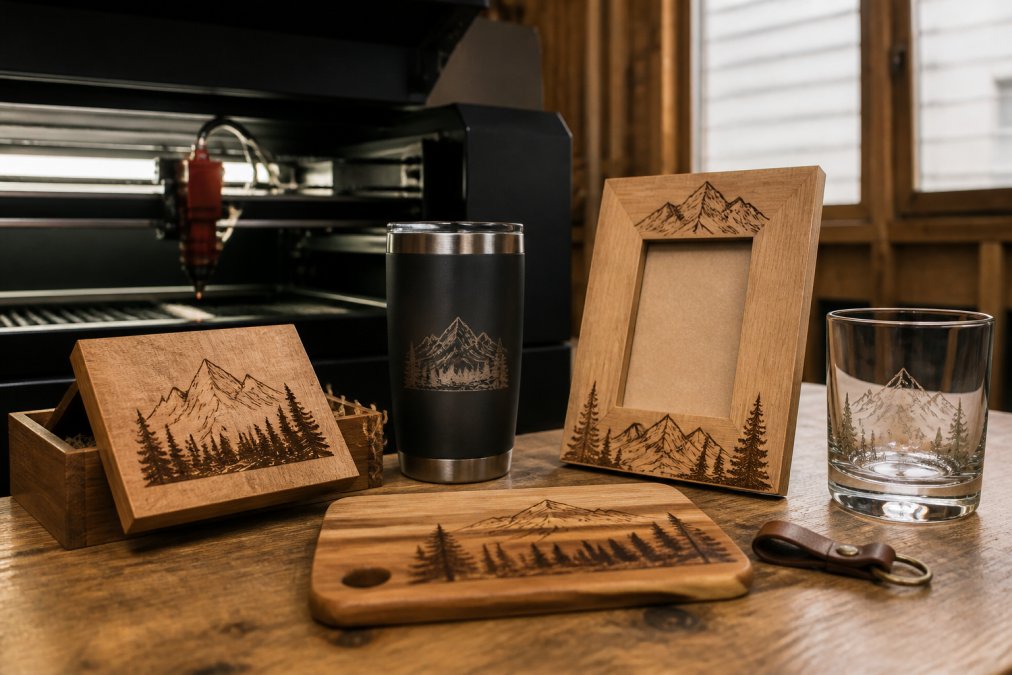
The best materials for custom engraving hold detail cleanly and resist wear: hardwoods, glass and crystal, natural stone, anodized metal, and leather. Material choice determines how sharp the design looks and how long it lasts. Walnut and maple take deep, warm engravings; glass and crystal produce a frosted, high-contrast finish suited to awards; anodized aluminum engraves to a clean, light mark; and leather takes a burnished look for journals and accessories.
Material-Specific Value Retention
Value retention is material-specific. Here is how the major engraving materials behave over time.
Matching Material to Use Case
"Best material" depends on what the piece is for:
- Milestone awards and recognition: anodized aluminum or crystal, because both survive daily display and read as professional.
- Heirloom and memorial pieces: hardwood, stone, or crystal, because the mark is structural and the material itself is durable.
- Everyday personal items (journals, wallets, keychains): leather or anodized aluminum, because both tolerate handling.
- Decorative-only objects: glass, with the understanding that resale value is limited by supply, not by the engraving.
Factors That Influence Engraving Costs and Value
Engraving cost comes down to five variables: material, design complexity, engraved area, quantity, and turnaround time. Understanding them lets you control the budget.
- Material: Harder and more expensive blanks cost more to source and to engrave.
- Design complexity: Fine detail, small text, and multi-line layouts take longer to set up and run.
- Engraved area: Larger coverage means more machine or hand time.
- Quantity: Per-unit cost typically drops as volume rises, since setup is shared.
- Turnaround: Rush jobs compress the schedule and usually carry a premium.
DIY vs Professional Engraving: The Value Trade-Off
DIY engraving looks cheaper on paper. In practice, the trade-off is time, equipment, and error rate. Home laser setups require software learning, material testing, ventilation, and safety handling. One ruined blank can wipe out the savings on the whole project.
Maximizing Value: Corporate Gifting ROI and Long-Term Care
Most articles on engraving value stop at sentiment, leaving the business case unexamined. This section covers the two things that determine long-term value: the return a company gets from engraved recognition, and the care that keeps an engraved piece looking new.
The Business Case for Engraved Corporate Gifting
Corporate gifting ROI comes from recognition that lasts. A branded item used daily keeps the company visible for years, while a cheap giveaway often ends up in a drawer within weeks, and engraved awards carry that longer lifespan because the marking does not wear off. A generic promotional item competes for attention against everything else on a recipient's desk, while an engraved item carries the recipient's name, a date, or a specific achievement, making it personal property rather than company property.
- Standardize the base item, vary the engraving. Buying one model of tumbler, pen, or award in bulk lowers the per-unit blank cost, while varying only the name and date keeps each piece personal. This is the single biggest cost lever in a corporate order.
- Tie the engraving to a specific achievement. A named, dated award tied to a concrete milestone lands harder than a generic "thank you" item.
- Choose materials that survive daily use. Anodized aluminum and crystal hold up to desk life; thin glass and soft leather do not. A recognition piece that chips or fades undermines the gesture.
- Order in waves, not all at once. If recognition is ongoing, a standing order with a shop that has your design on file avoids repeated setup charges and keeps per-unit cost predictable.
Long-Term Care and Longevity
Longevity depends on care, and the care differs by material. It is the difference between a piece that looks new in ten years and one that looks tired in two.
- Engraved wood: Keep out of prolonged direct sunlight, which bleaches the surrounding surface faster than the engraved recess and can invert the contrast. Avoid standing water and rapid humidity swings, which can warp or crack the blank. A dry or barely damp cloth is enough for dust.
- Glass and crystal: Wipe with a soft, lint-free cloth rather than abrasive cleaners, which can scratch the polished surface around the engraving. Avoid thermal shock, do not pour hot liquid into a cold engraved glass or vice versa. Hand-wash commemorative pieces rather than running them through a dishwasher.
- Anodized metal: A dry or lightly damp cloth handles most cleaning. Avoid abrasive pads and harsh solvents, which can dull the anodized finish around the mark even though the engraved area itself stays legible.
- Natural stone: Wipe with a damp cloth; avoid acidic cleaners on marble and limestone, which etch the surface. Slate is more forgiving but still chips at thin edges if dropped.
- Leather: Keep dry and condition occasionally with a leather balm to prevent the burnished mark from drying out and fading. Avoid prolonged exposure to water, which can darken and distort the leather around the engraving.
Frequently Asked Questions
Does custom engraving increase the resale value of an item?
It can, especially for items made from durable materials like sterling silver, solid wood, or crystal. A hand-engraved piece with a unique design or commemorative inscription often becomes a collector's item, and its rarity and craftsmanship can command a higher price in resale markets. Mass-produced items with printed personalization tend to lose value because the personalization fades or peels. The key is material integrity and engraving depth; deeper, permanent marks preserve aesthetic appeal and marketability over time.
Are engraved name plates more durable than printed alternatives?
Yes. Laser engraving removes or alters the surface layer of the material, creating a permanent mark that won't wash off, fade, or peel. Printed name plates rely on ink or vinyl that can scratch, discolor, or lift with cleaning and sunlight. For trophies, awards, and corporate signage that need to last years, engraved plates maintain their legibility and professional look. This durability is a core reason custom engraving offers better long-term value than cheap printed options.
What is the emotional significance behind custom engraving?
Custom engraving turns an object into a personal artifact. A date, name, or short message creates an emotional connection that mass-produced items cannot match. For milestones like weddings, anniversaries, or retirements, the engraved piece becomes a tangible reminder of the moment. This sentimental value often outweighs the initial cost, and recipients frequently keep and display these items for decades. It's the difference between a generic gift and a one-of-a-kind keepsake.
How does professional laser engraving differ from mass-produced personalization?
Professional laser engraving offers precision, depth control, and material integrity that mass production cannot replicate. A skilled operator adjusts settings for each material, ensuring clean edges and consistent contrast. Mass-produced personalization often uses low-cost printing or shallow etching that looks cheap and wears off. With professional engraving, you also get quality control. For businesses, this means branded merchandise that reflects well on your brand identity rather than looking like a discount giveaway.