 How-to
Does Laser Engraving Fade Over Time? What Affects Durability
Table of Contents
- Does Laser Engraving Fade? The Short Answer
- How Long Does Laser Engraving Last on Different Materials
- Does Laser Engraving Fade on Stainless Steel?
- Fading vs. Reduced Contrast: What You Are Actually Seeing
- What Causes Engraving to Wear, Discolor or Dull
- How to Protect Laser Engraving From Wear and Fading
- Choosing Engraved Gifts That Will Last at Swift Creek Giftworks
- Frequently Asked Questions
Last Updated: November 16, 2026
Does Laser Engraving Fade? The Short Answer
Laser engraving usually does not fade the way ink or paint does, but it can lose contrast over time. For a fuller explanation of engraving quality and durability, see same-topic guide. How long a mark stays clear depends on the material, the marking method and how the item is used. This guide explains what affects durability and how to keep an engraved piece looking sharp.
The key point is that a laser mark changes the surface itself. Instead of sitting on top, the laser removes material or alters its color, so the engraving is part of the item. That is why it tends to outlast printed or painted designs.
- Engraved metal and glass usually hold their detail for years with normal care.
- Wood and acrylic marks can darken or soften with heavy handling, sunlight or moisture.
- Dull or faint-looking marks are often a cleaning or contrast issue, not a loss of the engraving.
How Long Does Laser Engraving Last on Different Materials
Durability is not a single property of "laser engraving." It is the result of how a specific material responds to a specific marking method. The same laser can anneal stainless steel, ablate a painted coating, carbonize wood, or fracture glass, and each of those marks ages differently. A material-by-material view is the fastest way to predict whether a mark will stay legible.
Metal and Stainless Steel
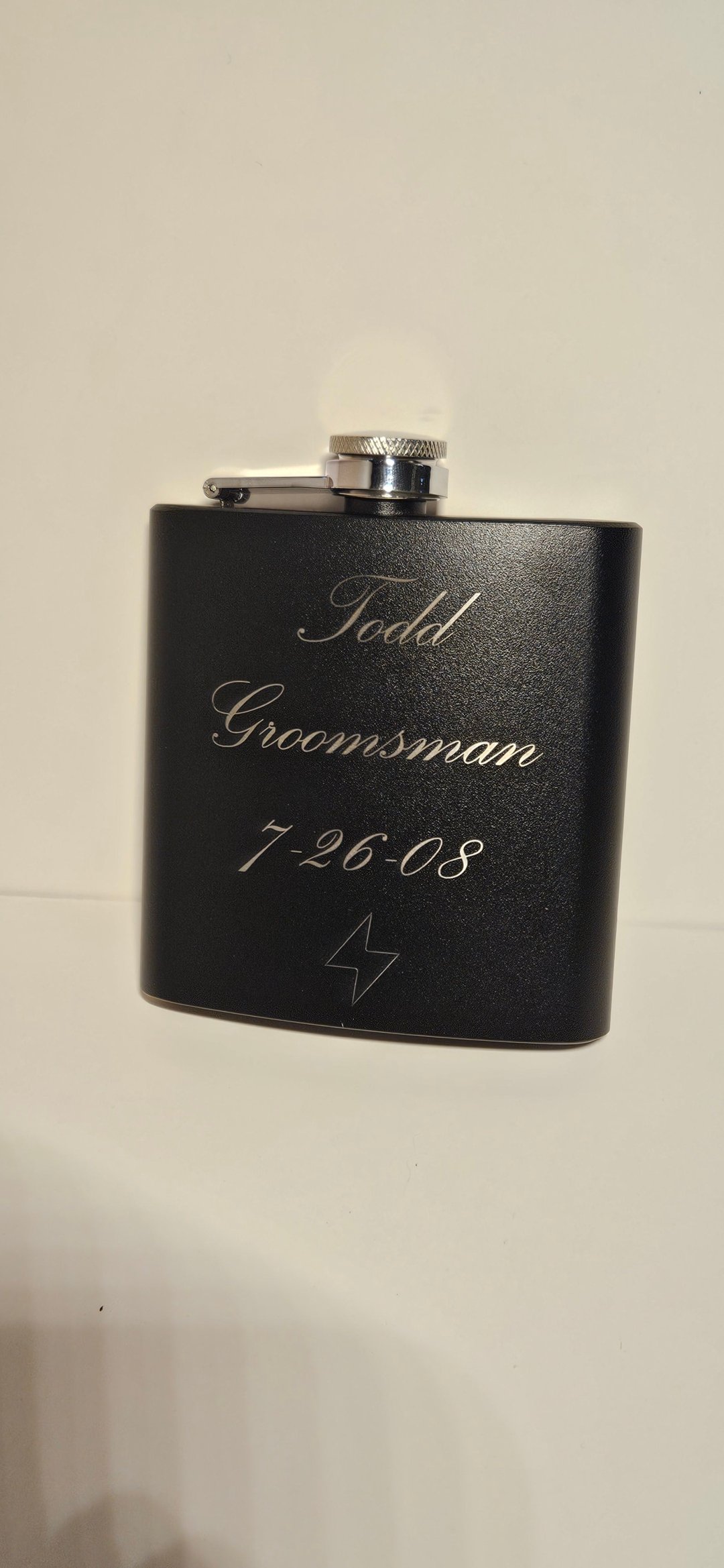
On bare stainless steel, a fiber laser typically produces one of two marks: an annealed mark, where controlled heat creates an oxide layer that reads dark against the metal, or an ablated mark, where a thin layer of material is removed. Both are part of the surface rather than a coating on top, so they do not peel or wash away. Annealed marks can be very durable but may shift slightly in tone if the oxide layer is repeatedly abraded. Ablated marks hold contrast well but can collect oils in the recessed lines, which dulls the look until cleaned. A well-marked stainless steel piece can keep readable detail for many years of normal handling, with contrast loss usually coming from residue and surface scratches rather than the mark itself vanishing.
Coated Metals
Many colored metal items, such as anodized aluminum or powder-coated steel, are marked by removing or altering the coating to reveal the base metal underneath. Here the durability question is really about the coating, not the laser. If the coating is thin or poorly bonded, the edges of the mark can chip or wear, and the contrast can soften as the exposed metal oxidizes or picks up dirt. A coated metal mark is generally less permanent than a mark made directly into bare metal, and it benefits most from gentle cleaning.
Wood
On wood, the laser burns or carbonizes the surface, leaving a dark charred line. See how this plays out on a natural pine coaster with an NCSU logo. That char is stable in dry conditions but is not immune to change. UV exposure can lighten or gray the surrounding wood, which reduces contrast even though the burned line is still present. Oils from hands and repeated rubbing can polish the char and make it look softer. Wood marks on decorative pieces that see little handling tend to hold for years; wood marks on handled items like cutting boards or tool handles show wear sooner, especially along high-contact edges.
Glass
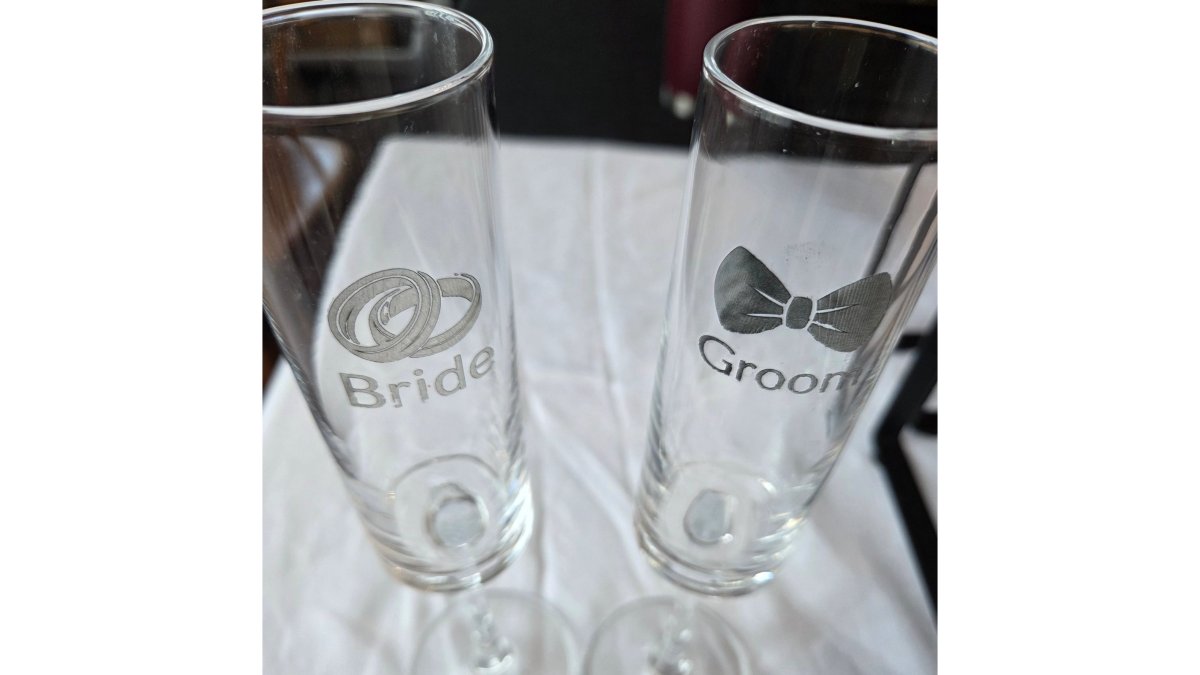
On glass, the laser typically creates controlled microfractures or a frosted zone rather than a dark mark. The mark is physically part of the glass, so it does not fade in the ink sense, but it can look duller as residue, hard-water film, or oils settle into the frosted texture. Glass marks are also vulnerable to chipping at the surface if the item is knocked, which can interrupt fine detail. For a durable stone option, compare a round slate coaster. Gentle washing and drying keep the frosted contrast bright.
Plastics and Acrylic
Acrylic and other plastics usually show a frosted or engraved recess when laser marked. The mark holds well unless the surface is scratched or exposed to strong solvents that attack the plastic itself. Some plastics discolor around the mark from heat, and that halo can spread slightly over time with UV exposure. Plastic marks are best kept away from abrasive cleaners and harsh chemicals.
Subsurface Crystal Engraving
Subsurface laser engraving creates tiny fracture points inside clear crystal or glass, leaving the outer surface intact. Because the mark is inside the material, it is protected from abrasion and cleaning, and it generally holds its appearance for the life of the object. The main risks are impact damage to the surrounding material and internal fractures that can spread if the piece is dropped.
What This Means for Expected Lifespan
A practical way to think about it: marks made into the material itself (bare metal, glass, subsurface crystal) tend to outlast marks that depend on a coating or a charred surface layer. Coated metals and wood are the categories where contrast changes first, and those are the items that benefit most from the care guidance below.
Does Laser Engraving Fade on Stainless Steel?
Stainless steel engravings generally do not fade in the way printed designs do. The mark is created by changing the metal surface, so the design stays in place. Most fading complaints on steel are caused by surface residue, dust or cleaning methods that reduce contrast.
To keep a steel mark clear, wipe the surface regularly with mild soap and water. Avoid abrasive pads that can scratch away contrast over time.
Fading vs. Reduced Contrast: What You Are Actually Seeing
Fading and reduced contrast are not the same thing. A true fade means the mark has disappeared. Reduced contrast means the engraving is still there but looks less visible than before.
Most people notice reduced contrast first. Dust, oil, cleaning residue and light surface wear can all make a mark look dull. In many cases, a gentle clean brings the design back into focus.
What Causes Engraving to Wear, Discolor or Dull
Most changes people describe as "fading" are not the mark leaving the item. They are changes in contrast: the mark is still there, but the surface around it or inside it has changed enough that the eye reads it as weaker. Understanding the mechanism matters because the fix is different for each cause.
Physical Abrasion
Repeated rubbing, contact with hard objects, and grit trapped in a cloth all remove or polish material at the surface. On an annealed stainless mark, abrasion can wear the oxide layer and lighten the tone. On a coated metal, abrasion can wear the coating at the edges of the mark. On wood, abrasion polishes the charred line. Abrasion rarely erases a mark made into the material, but it can reduce contrast, especially on high-contact edges.
Residue and Contamination
Oils from skin, dust, soap film, and hard-water minerals settle into recessed or frosted marks and scatter light, which makes fine detail look muddy. This is the most common and most reversible cause of a dull-looking engraving. A soft cloth and mild soap usually restore contrast immediately.
Moisture and Chemicals
Harsh cleaners, strong solvents, and repeated dishwasher cycles can attack coatings, leach oils from wood, and leave films on glass and acrylic. On coated metals, chemical exposure can soften or lift the coating around the mark. On wood, moisture can raise grain and change how the charred line reads.
Heat and Sunlight
Prolonged UV exposure grays and lightens wood, which lowers contrast against a dark burned mark. Some plastics and coatings yellow or chalk with UV, changing the background tone around the mark. Heat alone rarely removes a mark, but it can accelerate coating degradation.
Process Variables That Set Up Later Wear
Durability is partly decided at the laser. Wavelength, power, speed, focus, pass count, and engraving depth all affect how deep and how stable a mark is. A shallow, fast pass on coated metal may look fine at first but wear at the edges sooner. A properly focused, adequately powered mark into bare metal or glass has more margin. Asking about depth and method is a more useful question than asking whether the mark will "fade."
Why a Mark Can Look Fainter Without Disappearing
Patina, oxidation, coating wear, and residue all change the background or the mark's surface without removing the mark. That is why the practical test is to clean gently and re-check contrast before assuming the engraving is gone. If contrast returns after cleaning, the mark was never lost. If it does not, the cause is more likely abrasion or coating wear, and the next step is to look at the material and method rather than the cleaning routine.
Watch out: Abrasive scrubbing pads and harsh solvents can turn a reversible residue problem into permanent contrast loss, so clean gently first and escalate only if needed.
The table below summarises the main causes of wear, discoloration and dullness and the fixes that match each one.
| Cause | What it does | Fix |
|---|---|---|
| Physical abrasion | Polishes or wears the surface, lightening tone | Avoid rubbing and hard contact |
| Residue and contamination | Oils, dust and mineral film scatter light | Clean with a soft cloth and mild soap |
| Moisture and chemicals | Attacks coatings and leaves films | Avoid harsh cleaners and long dishwasher cycles |
| Heat and sunlight | UV grays wood and yellows some plastics | Store away from direct sunlight |
| Process variables | Depth, power and focus set later wear | Ask about depth and method before ordering |
How to Protect Laser Engraving From Wear and Fading
Good care makes a big difference. Most protection steps are simple habits rather than special products.
- Clean with a soft cloth and mild soap, then dry the surface fully.
- Avoid harsh chemicals, abrasive pads and long dishwasher cycles.
- Store engraved items away from direct sunlight when possible.
- Reapply a suitable protective finish only if the manufacturer recommends it.
Treating engraved pieces like fine tableware or jewelry, with gentle handling, helps keep the design sharp.
Choosing Engraved Gifts That Will Last at Swift Creek Giftworks
If lasting detail matters most, start with the material. For a guide to picking custom engraved gifts that hold up well, see custom engraved gifts guide. Metal and glass usually hold up best for everyday use, while wood suits decorative pieces that see less handling. Browse the sustainable bamboo cutting board, built to last. Ask about the engraving method and how the design will look on your chosen item before you order.
Choosing the right item and design for your use is worth discussing before you order. For current pricing and a quote on your engraved gift, visit our website. Pricing depends on quantity, timing and delivery needs.
Frequently Asked Questions
How long will laser engraving last?
Laser engraving can last for many years, often the full working life of the item, but the answer depends on the material, the marking method and how the item is used. Engraving that removes material from metal, wood or acrylic is generally more durable than a light surface mark. Items that face constant handling, dishwashing, abrasion or sun exposure will show wear sooner. Current pricing depends on quantity, timing and delivery, so request a quote for specifics.
Does laser engraving fade on stainless steel?
Laser engraving on stainless steel is typically very durable because the laser changes or removes the surface, creating a mark that does not rub off like ink. The engraved area can look duller or darker over time, especially where it collects dust, oils or residue. Gently cleaning with mild soap and water usually restores contrast. Deep engraving holds up better than shallow marking on heavily used items.
What causes a laser engraving to fade or discolor?
Common causes include repeated physical contact, abrasion from cleaning, exposure to harsh chemicals, prolonged heat and direct sunlight. On some materials, such as wood or anodized aluminum, UV light and moisture can change the color of the engraved area. A mark that looks faded is often just reduced contrast from grime or residue, which cleaning can usually correct. Choosing a material suited to the item's use helps the mark last.
Can laser engraving wear off with regular use?
Yes, a shallow or surface-only mark can gradually lighten with regular handling, especially on items used daily. Deeper engraving resists wear much better. Wiping items with a soft cloth, avoiding abrasive scrubbers and keeping the dishwasher or harsh solvents away from the engraved area all slow down wear. For a personalized gift, ask for a depth and finish suited to how often it will be used.