 blog
How to Choose Laser-Cut Wood Decor for Outdoor Use
Last Updated: November 9, 2026
Quick Summary
Laser cut wood decor is worth it outdoors when you choose a durable wood like teak, cedar, or Baltic birch, seal every face and edge, and mount it so water cannot collect behind it. Poorly sealed or cheap wood warps and delaminates quickly. Recoat sealed pieces when water stops beading on the surface.
- Choose teak, cedar, or sealed Baltic birch rather than MDF or low-grade plywood for outdoor use.
- Seal every surface, including edges, back, and engraved areas, not just the front face.
- Apply several thin coats of finish instead of one thick coat to avoid drips and cloudy patches.
- Use stainless steel hardware and hold the piece at least a quarter inch off the wall for airflow.
- Inspect twice a year and recoat when water no longer beads on the surface.
Table of Contents
- Why Outdoor Exposure Breaks Down Wood
- Best Wood for Outdoor Laser-Cut Signs
- Sealing Laser-Cut Wood for Outdoor Use
- Laser-Cut Wood vs. Acrylic Outdoor Decor
- Mounting, Maintenance, and Realistic Lifespan
- Ordering Outdoor Laser-Cut Decor From Swift Creek Giftworks
- Frequently Asked Questions
Laser cut wood decor can be worth it outdoors, but only when the right wood is chosen and the piece is sealed and mounted properly. Customers who pick a suitable wood and protect it can expect longer service, while pieces that skip sealing are more prone to warping, peeling layers, or dark staining. The answer to whether it is worth it depends on the material, the finish, and where the piece will hang.
Laser cut wood decor is a sign, plaque, or ornament cut or engraved from solid wood or engineered wood with a laser beam. For outdoor use, the important question is not whether the design looks good but whether the wood can handle rain, humidity, sun, and temperature swings over time.
Wood that is cheap, thin, or unsealed tends to fail much sooner, which is why material choice matters more than the engraving itself.
Why Outdoor Exposure Breaks Down Wood
Outdoor exposure attacks wood from several directions at once. Moisture is the main culprit. Wood absorbs water, swells, then dries and shrinks, and repeated cycles open small cracks along the grain.
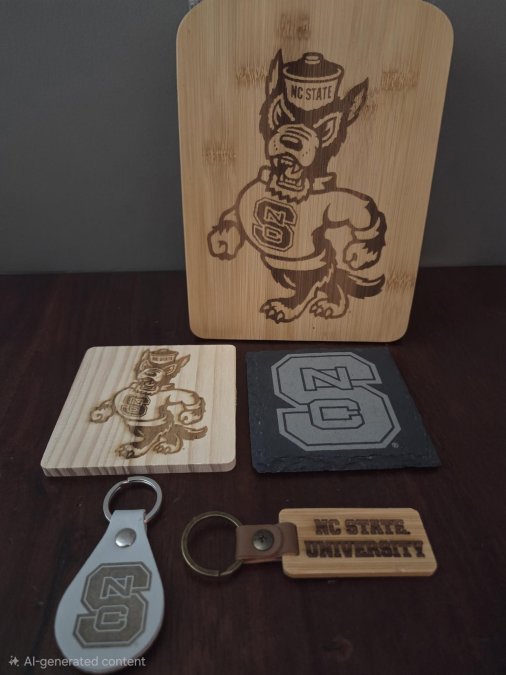
Sunlight adds a second problem. Ultraviolet light breaks down the lignin in wood, which causes fading, graying, and surface chalking. Without a UV-blocking finish, even good wood looks worn within a year.
Temperature changes compound both issues. Thermal expansion stresses glue lines and thin layers, which is where delamination begins. Once water gets between layers, the piece can lift and split quickly.
Best Wood for Outdoor Laser-Cut Signs
Not every wood responds to laser cutting and outdoor weather in the same way. Density, grain structure, and natural oils all affect how well a piece holds its shape and finish.
Baltic Birch, Cedar, and Teak Compared
Baltic birch plywood is a popular choice for laser work because its layers are thin, consistent, and cut cleanly. It engraves with crisp detail. Outdoors, it performs well only when fully sealed on every face, including the edges, because exposed layer edges absorb water fastest.
Cedar is naturally rich in oils that resist rot and insects. It is softer than birch, so it engraves with a warmer, more textured look. It is a strong option for outdoor signs when kept sealed, though its natural color can shift over time.
Teak is among the most weather-resistant hardwoods available. It is dense, stable, and holds up well in humid conditions. It is also more expensive and harder to source in large sizes, so it suits smaller premium pieces better than large signs.
Why Plywood and MDF Struggle Outdoors
Standard plywood with low-grade glue can separate between layers when exposed to moisture. Once delamination starts, the damage spreads quickly and is difficult to repair.
MDF, or medium-density fiberboard, is made from compressed wood fibers and resin. It swells sharply when wet and loses its shape. MDF is fine for indoor decor but generally not suitable for outdoor use without heavy protection, and even then, it is a poor long-term choice.
Many customers who try outdoor decor for the first time choose the lowest-cost material available. That choice often leads to replacement within one or two seasons, which costs more over time than a better wood purchased at the start.
Sealing Laser-Cut Wood for Outdoor Use
Sealing is the step that most often decides whether outdoor decor lasts. A good sealer blocks water, slows UV damage, and protects the engraved detail from dirt and staining.
Water-based and oil-based sealers both have a place. Water-based exterior-grade finishes dry fast, clean up easily, and resist yellowing. Oil-based sealers penetrate deeper into wood and often provide strong moisture resistance, though they darken the wood and take longer to cure.
Polyurethane and epoxy coatings form a hard protective film. They offer strong weatherproofing but can crack if the wood underneath moves too much. Some epoxies are better suited to flat, rigid pieces than to thin, flexible ones.
A common mistake is sealing only the front face. Water enters through unsealed edges and the back, so every surface should receive the same treatment. Engraved areas also need extra attention, because the laser burn leaves a rougher, more porous surface that absorbs finish unevenly. Light sanding and an extra coat in those zones help create a uniform barrier.
Watch out: applying a thick coat to save time usually causes drips, cloudy patches, and poor adhesion. Several thin coats, each fully dry before the next, produce a stronger and more even result.
The table below summarises the main sealing choices and the mistakes that most often shorten outdoor decor's life.
| Option | Best for | Key difference |
|---|---|---|
| Water-based exterior finish | Fast drying, easy cleanup | Resists yellowing |
| Oil-based sealer | Deep penetration | Darkens wood, slower cure |
| Polyurethane or epoxy | Hard protective film | Can crack if wood moves |
| Problem: sealing front only | Cause: water enters edges and back | Fix: seal every surface |
| Problem: thick single coat | Cause: drips and cloudy patches | Fix: several thin coats |
Laser-Cut Wood vs. Acrylic Outdoor Decor
Acrylic is a common alternative to wood for outdoor signs, and the comparison is useful for buyers weighing options.
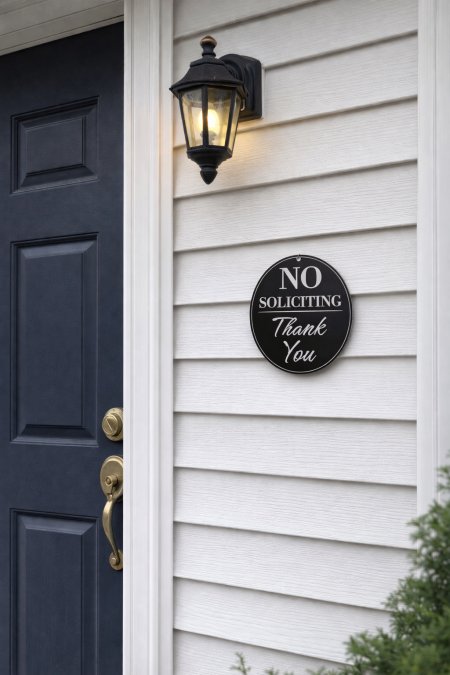
Wood vs. Acrylic on Durability and Appearance
Acrylic does not absorb water, does not warp, and resists fading when UV-stabilized. It is often the more durable choice for harsh weather and needs almost no maintenance beyond an occasional cleaning. However, it lacks the warmth and natural texture many people want from a wood sign, and it can look plastic at close range.
Wood offers a richer appearance, a traditional feel, and a finish that customers often describe as more personal. Its main drawback is maintenance. Wood needs proper sealing and periodic recoating to stay in good condition, and the recoat interval depends heavily on exposure.
Neither material is universally better. Acrylic suits exposed locations with heavy sun or rain and minimal upkeep. Sealed wood suits covered porches, entryways, and homeowners who value a natural look and are willing to recoat every few years.
The DIY vs. Pre-Treated Commercial Cost Question
Watch out: comparing only the sticker price of a DIY blank against a finished commercial piece ignores the sealant, hardware, and hours of finishing labor, which is where the real cost of DIY outdoor decor sits.
Matching the Material to the Exposure
The honest answer to whether laser cut wood decor is worth it outdoors is that it is worth it when the material, finish, mounting, and maintenance plan all match the exposure, and when the total cost, including your time, is compared fairly against the alternatives.
Mounting, Maintenance, and Realistic Lifespan
Mounting affects longevity as much as material choice. A piece can be cut from teak and sealed with three coats of marine-grade finish and still fail in one season if water gets behind it through a screw hole or a tight-to-the-wall back face.
Mounting Without Creating Water Traps
The core principle is simple: every hole you put in a sealed piece is a new path for water, and every surface pressed flat against a wall is a place where moisture sits.
Start with the hardware. Use stainless steel screws, bolts, or hanging cleats rather than plated or galvanized steel. Plated steel rusts, and the rust stains bleed into the wood around the hole and are nearly impossible to remove without sanding back to bare wood.
Drill pilot holes slightly larger than the screw shank so the wood can move with seasonal expansion and contraction without splitting. Do not countersink so deep that the screw head crushes the finish. A common pattern is a hairline crack radiating from an over-tightened screw after the first hard freeze.
Seal the hole, not just the face. Before driving the screw, apply a small bead of exterior-grade sealant or a drop of the same finish used on the piece into the pilot hole.
Use spacers or a hanging cleat to hold the piece off the wall by at least a quarter inch. Air circulation behind the piece lets moisture dry instead of wicking into the back face.
Watch out: hanging a piece from a single screw or a thin wire lets it twist and rattle in wind, and the repeated movement enlarges the hole until water enters freely. Use two fasteners or a French cleat rated for the piece's weight.
Maintenance Schedule That Actually Works
Check outdoor pieces at least twice a year, ideally in early spring and late fall. Look for lifted edges, dark spots, cracks, chalky surface, and fading. Pay particular attention to the bottom edge and the back face, where water collects first.
Clean gently with a soft cloth and mild soap, then rinse and let the piece dry fully before recoating. Do not power-wash laser-cut wood; the force drives water into engraved areas and along glue lines.
The recoat trigger is simple: when water no longer beads on the surface, the finish has failed and needs another coat. On a covered porch, that may be every two to three years. In an exposed location with full sun and driving rain, expect to recoat annually.
Realistic Lifespan by Exposure
A well-chosen, well-sealed piece in a covered outdoor spot can last several years. Exposed locations shorten that window considerably, and the difference between a covered porch and a full-sun fence line is often the difference between recoating every few years and replacing the piece.
Real-world results vary with climate, exposure, and care. The honest answer to whether laser cut wood decor is worth it outdoors is that it is worth it when the mounting and maintenance plan matches the exposure, and a poor mounting job can undo every advantage a good wood and finish provide.
Ordering Outdoor Laser-Cut Decor From Swift Creek Giftworks
Swift Creek Giftworks offers custom laser engraving for personalized gifts, home decor, and branded items. Pricing depends on design complexity, material, quantity, and delivery timing, so the most accurate figure comes from a direct quote. Visit the Swift Creek Giftworks website to request current pricing for your project.
For more detail on laser-engraving wood and finishing quality, read our High Quality Laser Engraving for Gifts: 2026 Guide. A reader planning a custom order can also check why custom engraving costs more and the pricing factors involved, and a reader on a deadline can learn whether custom engraved outdoor pieces can be rushed. Browse our NCSU Sign officially licensed wall sign for a ready-made outdoor option, or see the NC Sign with its durable wood construction and hanging hardware.
Frequently Asked Questions
Can laser-cut wood decor be used outdoors?
Yes, but only with the right material and finish. Untreated wood swells, cracks, and delaminates when it repeatedly gets wet and dries out. Outdoor-rated wood, sealed with an exterior finish, holds up far better than bare plywood or MDF. Plan to inspect pieces each season and reseal them when the finish starts to look dull or water stops beading on the surface. Pieces placed under a covered porch or eave will last noticeably longer than those fully exposed to rain and direct sun.
How long does laser-cut wood last outside?
Lifespan depends mainly on the wood species, the sealer, and how much sun and rain the piece receives. A sealed hardwood or cedar piece in a sheltered spot can stay in good condition for several years, while an unsealed plywood sign in full weather may show warping or delamination within a single season. Sealing and periodic maintenance matter more than most buyers expect. Ask your provider which wood and finish they recommend for your location before ordering.
Is laser-cut wood better than acrylic for outdoor decor?
It depends on the look and conditions you want. Wood gives a warm, natural appearance and engraves with a rich contrast, but it needs sealing and upkeep outdoors. Acrylic resists moisture and does not rot, so it can be a lower-maintenance choice in wet climates, though it can look glossier and may fade or yellow under intense sun if it lacks UV protection. Choose wood for a classic, organic style and acrylic for minimal upkeep and a modern finish.